
We are a global operator of essential infrastructure










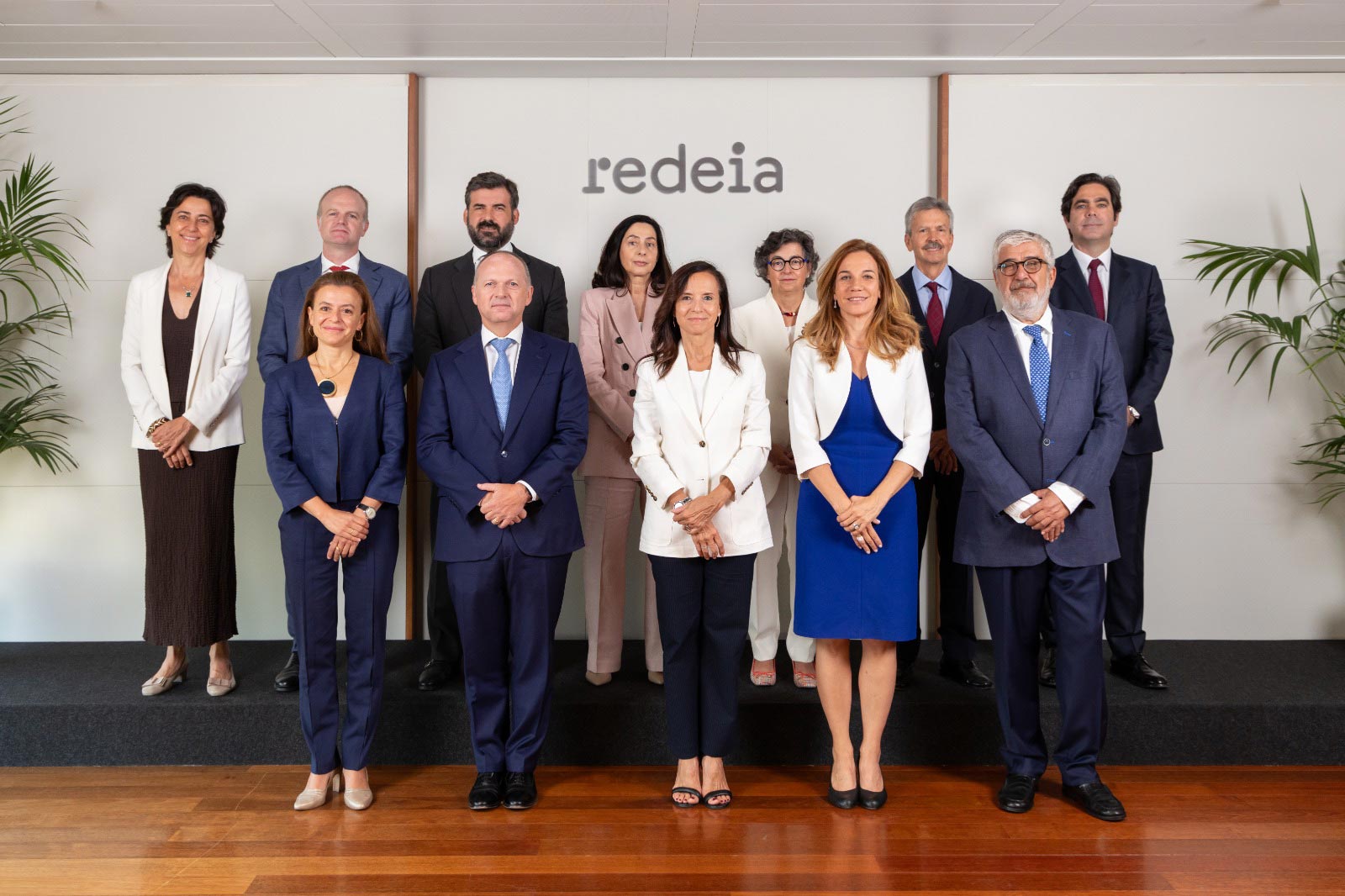

Redeia, IKEA, and AlmaNatura review five editions of Holapueblo
Depopulated Spain gains over 200 new inhabitants thanks to Holapueblo
- A total of 85 families, mostly couples with children (45%), aged between 35 and 50 (67%), and of Spanish nationality (76%), have moved to rural areas.
- These new residents are spread across 60 towns and villages: 18 in Castile and Leon, 9 in Castile-La Mancha, 9 in Andalusia, 8 in Galicia, 7 in Aragon, two in the Canary Islands, 2 in Navarre, and the remaining 5 in Asturias, the Valencian Community, Extremadura, La Rioja, and the Community of Madrid.
- The platform against depopulation, a joint initiative by Redeia, IKEA, and AlmaNatura, has so far assisted 211 town councils and registered over 17,000 people interested in moving to the countryside.
- Holapueblo has observed that the success of repopulation lies in a virtuous circle: the municipalities that attract the most new inhabitants are those that already have some previously settled and well-integrated residents, and the platform offers key advice on how to create this circle.
A total of 208 people have settled in municipalities facing demographic challenges in the five years since the launch of Holapueblo. This platform, aimed at combating depopulation, is promoted by Redeia, IKEA, and AlmaNatura. It supports small rural municipalities in reversing their depopulation trends and regenerating their business fabric and economy. The initiative not only seeks to attract new families to rural areas but also to encourage them to start their own businesses.
These new inhabitants comprise 85 families, the majority being couples with children (45%) and aged between 35 and 50 (67%). Of these, 76% are Spanish nationals, with 13% of Argentinian origin.
These families have launched 58 new businesses. Women lead 57.6% of these enterprises, and 67.5% are in the service sector, ranging from hospitality establishments and food shops to technology services, artisan product creation, and a music school.
Three stories from the new inhabitants
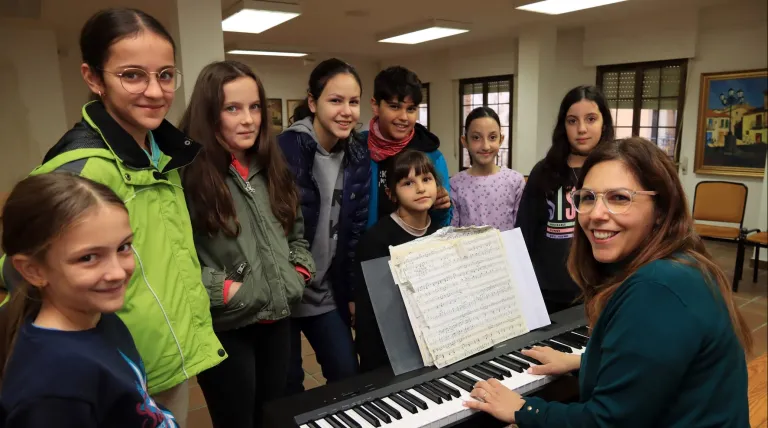
Franco, Andrea, and their three children, originally from Argentina, are now fully integrated into their new home in Prádena, a village in Segovia with 468 inhabitants. Andrea, an orchestra conductor with a degree from the Higher Conservatory of Music in Buenos Aires and over 23 years of teaching experience, is now giving music, choir, and choral school classes in nearby municipalities. Meanwhile, Franco is setting up his own carpentry business, filling a gap after the village lost the only carpenter it had.
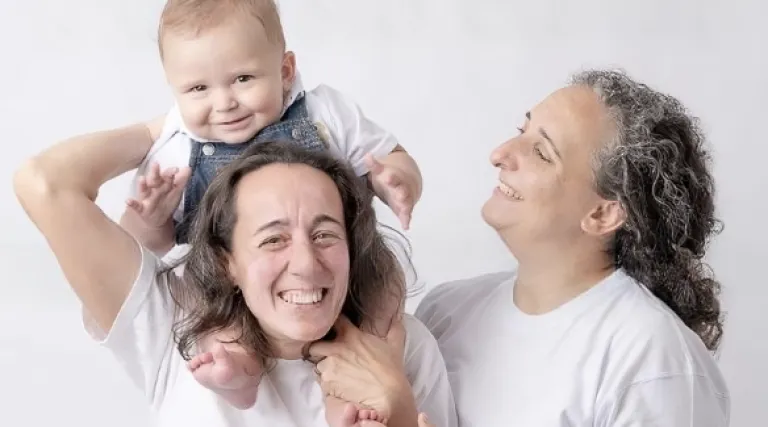
Laura, Vero, and their son Santi are the first Holapueblo family to settle in Extremadura. They moved to Villa del Rey (Cáceres), a municipality of 116 inhabitants, to run the village pub and general store. Motivated by a lifestyle change that would primarily benefit their son, they are now happily settled and grateful for the warm welcome and trust the community has shown them.
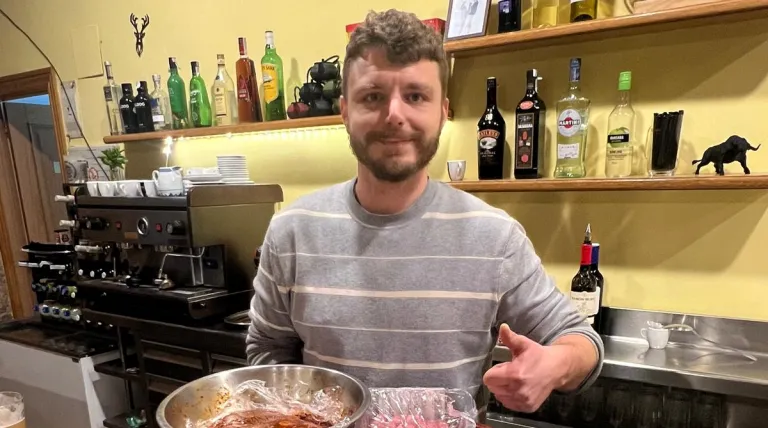
Amparo and Fran are new residents in Aguilar de Codés (Navarre). This Valencian couple left the city and their jobs in the hospitality sector to manage the village pub in this Navarrese municipality of just 75 inhabitants. 'The reception has been very good,' says Amparo. 'Most of our customers are our neighbours, the local people, and at weekends, bikers and cyclists on their routes stop by our pub.' The desire to grow their own food, cook at a different pace, and have their own project in a natural environment were the key factors that encouraged them to make the move.
The virtuous circle of repopulation
The 60 chosen municipalities for starting a new life are located in Castile and Leon (18), Castile-La Mancha (9), Andalusia (9), Galicia (8), Aragon (7), the Canary Islands (2), the Chartered Community of Navarre (2), and one each in Asturias, the Valencian Community, Extremadura, La Rioja, and the Community of Madrid.
The common factor among them all is the availability of rental housing, good road connections to nearby towns, and basic educational and health services, which are particularly valued by families with children.
Over its five editions, Holapueblo has observed that the success of repopulation lies in a virtuous circle: municipalities that attract the most new people are those that have previously settled residents who are well-integrated and have created their own community. This is the case in Belorado (Burgos), which has gained 16 new inhabitants (4 families); Pradoluengo (Burgos) with 8 new residents (4 families); Tragacete (Cuenca) with 10 (4 families); and Lumbrales (Salamanca) with another 10 (3 families).
To enter this virtuous circle of repopulation, Holapueblo believes the following key factors are necessary: active work and alliances with public and private entities for repopulation. This focus should not be exclusive, but rather part of a broader vision for the revitalisation and strengthening of the district or region in economic, cultural, and community spheres, among others. Furthermore, affordable housing must be made available. Municipalities that identify available housing, refurbish council houses, and establish guarantee systems for refurbishment and rentals, among other measures, are experiencing a better reception.
Another key factor is the direct involvement of at least one municipal representative or key local figures in helping new inhabitants, both in their search for housing and in setting up their business. This could involve mediating with homeowners, providing guidance on bureaucratic procedures, or facilitating business transfers or successions, among other issues.
Across these five editions, over 17,000 people have shown interest in Holapueblo. To be eligible for the project's advisory services, applicants need to have a business idea and a firm commitment to starting a business in one of the participating municipalities. In total, 211 municipalities have been assisted since the project began at the end of 2019.
Image

Download