
We are a global operator of essential infrastructure







We work towards the social transformation of our regions and the reduction of inequalities
We work alongside local communities, public authorities, social and environmental organisations, businesses, and citizens to develop innovative solutions that effectively address the great social challenges of our time.
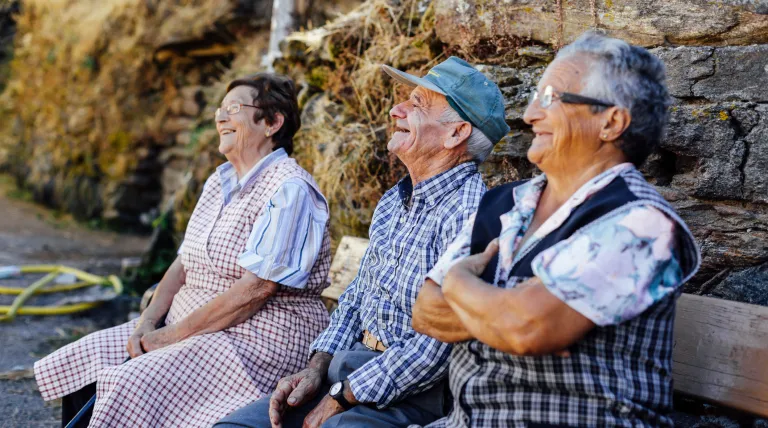
We drive social innovation as a key lever to generate shared value in the local areas where we operate. Through our projects, we seek a transformative and lasting impact, promoting an open, collaborative model that drives systemic solutions aligned with social cohesion, a just transition, and regional connectivity.
This approach is set out in our 2026–2029 Social Innovation Plan, which structures our social action into two cross-cutting areas (Gender Equality and Regional Cohesion) and five specific areas. These comprehensively address the social, economic, environmental, and cultural challenges of our communities, with a special focus on rural areas and the most vulnerable groups.
Social innovation and entrepreneurship
We drive social innovation and entrepreneurship as engines of transformation and the generation of shared value in the local areas where we operate. We prioritise projects that respond to real social challenges through innovative, viable, and sustainable solutions.
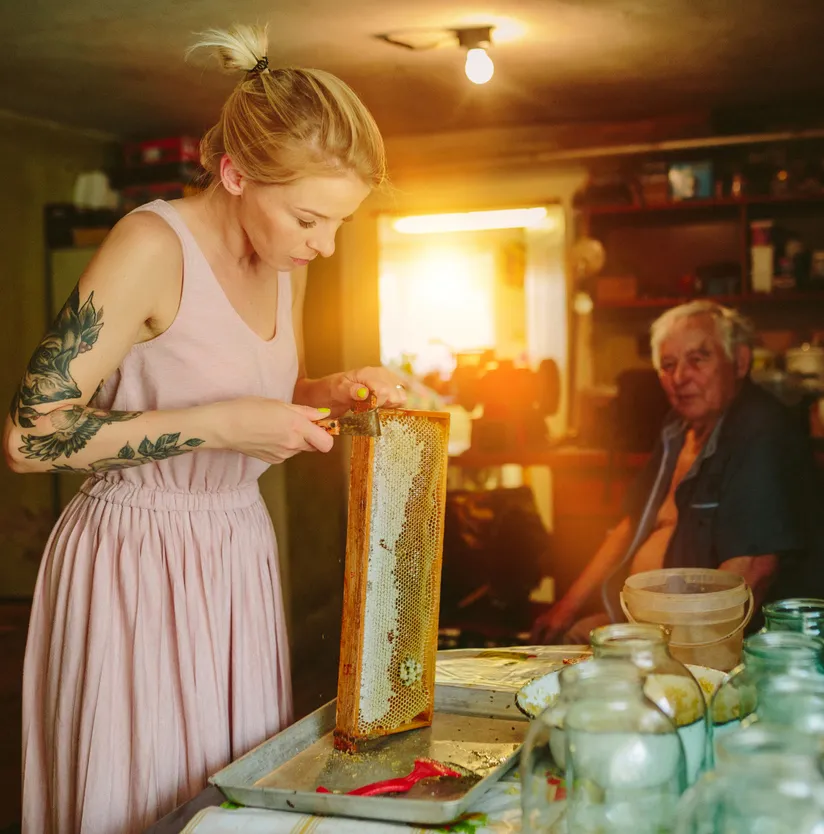
Energy transition and access to energy
We work to integrate the social dimension into the energy transition, helping to ensure it is just, inclusive, and participatory. We prioritise projects that improve access to sustainable, secure, and affordable energy services, especially for vulnerable areas and groups.
Natural capital and social impact
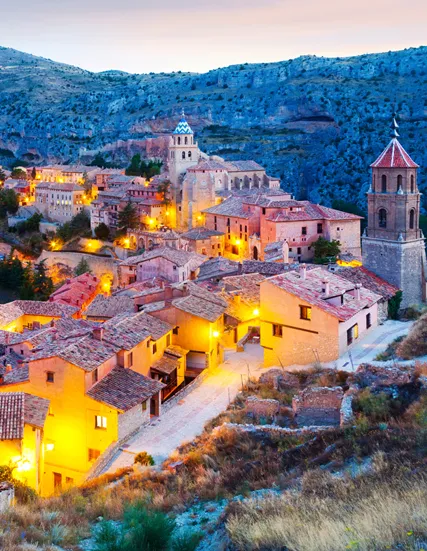
We integrate the protection, restoration, and enhancement of natural capital as a lever for social, economic, and regional development. We support projects that promote active and collaborative land management, involving local communities and social stakeholders.
Heritage and culture
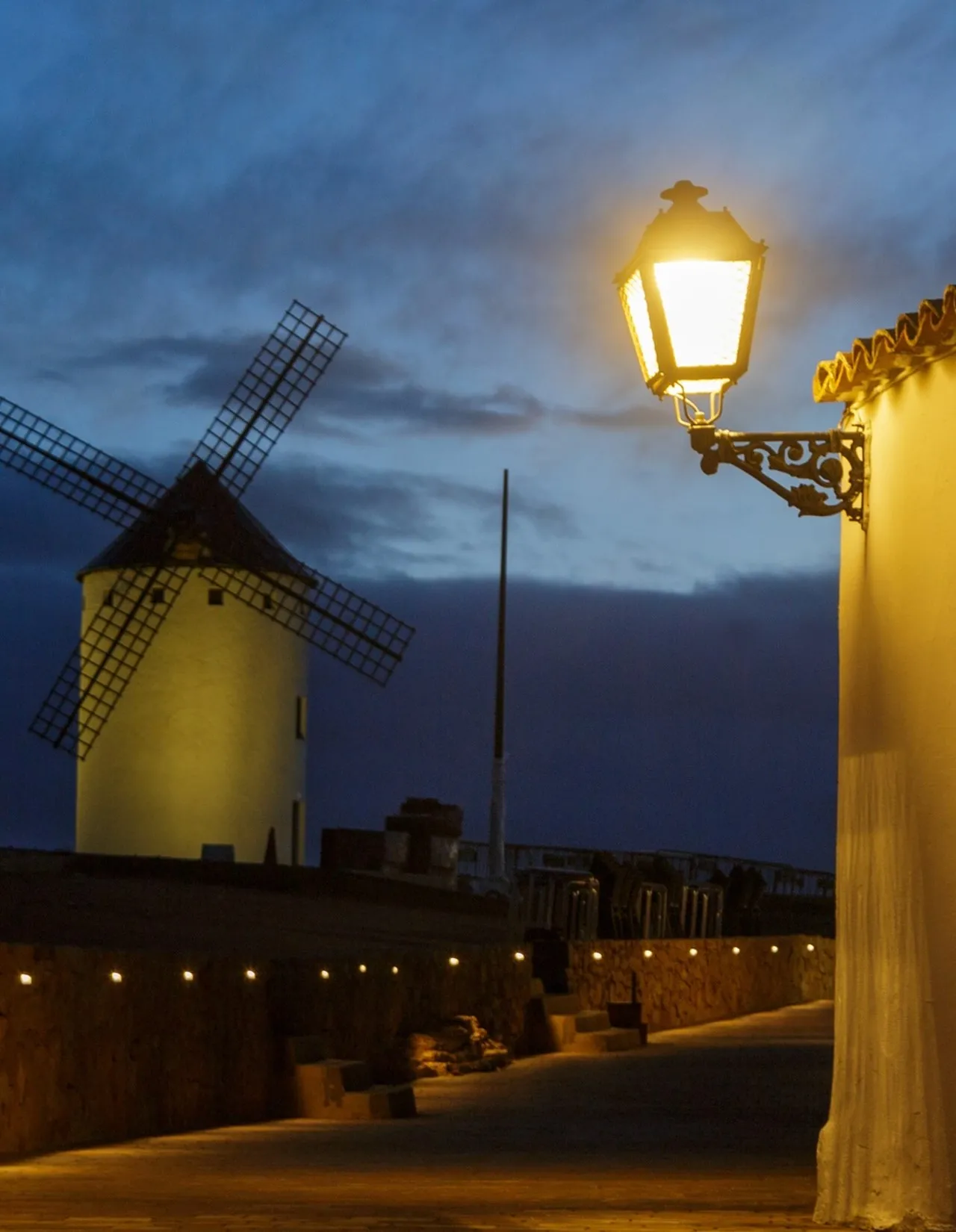
We protect and enhance tangible and intangible cultural heritage as a strategic asset for the sustainable development of our regions. We support projects that strengthen local identity, a sense of belonging, and the social cohesion of communities.
Training and wellbeing for our communities
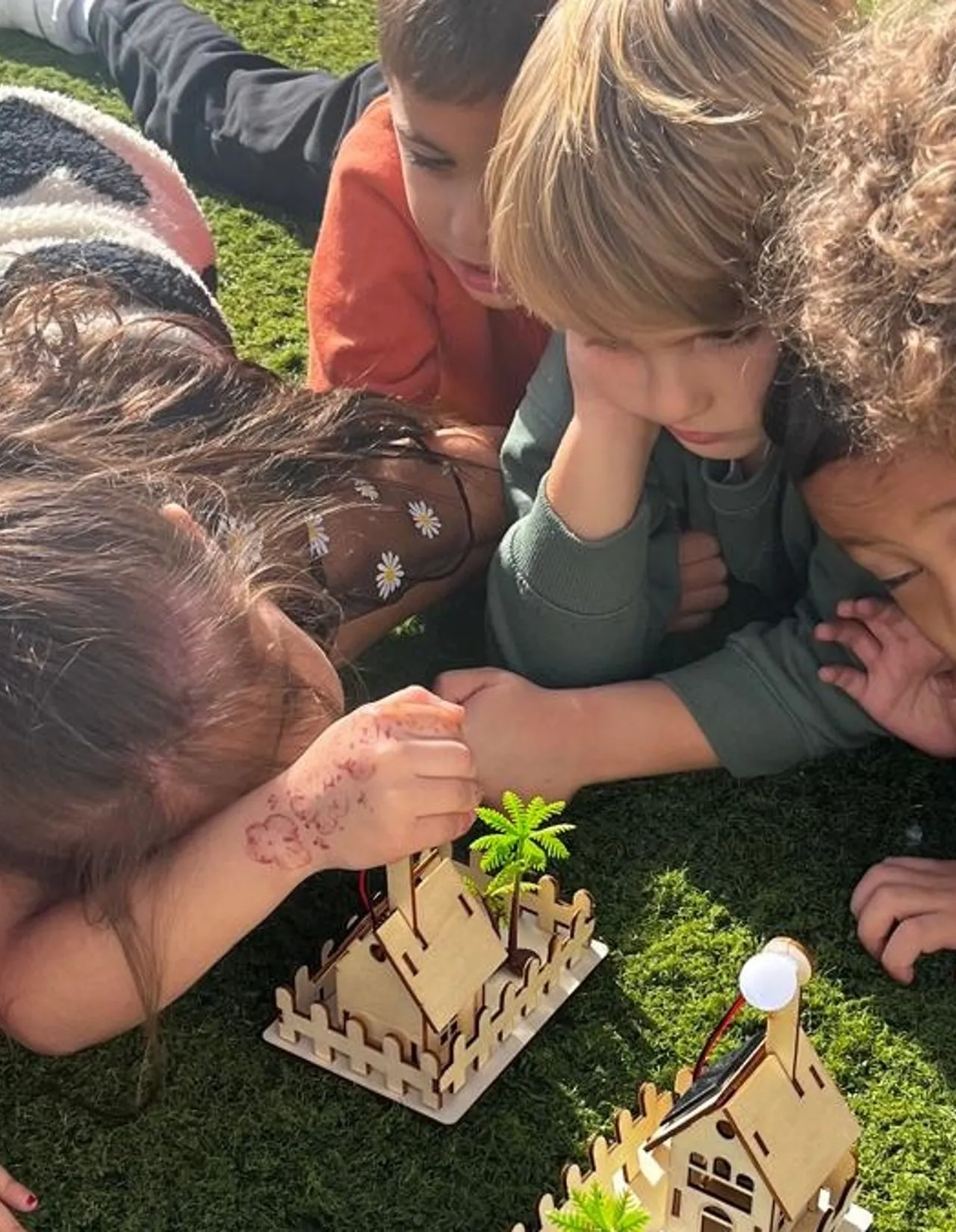
We strengthen the capabilities of individuals and communities to face the social, economic, and technological challenges of the future. We prioritise training in key competencies, specifically in energy, the energy transition, innovation, and digital skills.
Ongoing headline projects
1/13
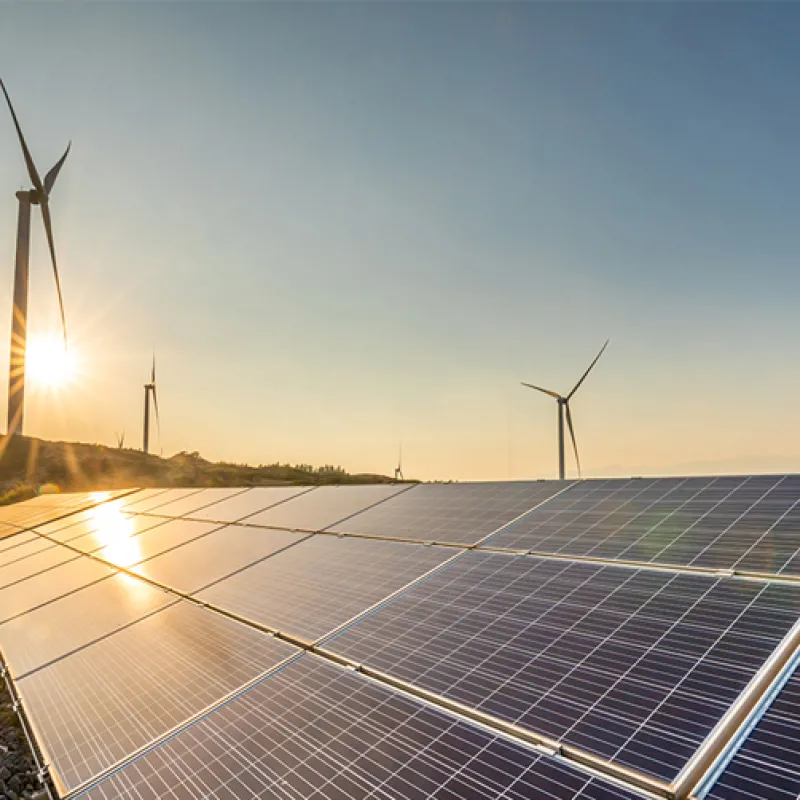
Municipalities for the energy transition
We are driving the energy transition in our communities with a focus on collective well-being and sustainable progress. Over the last four years, we have launched more than 80 initiatives in 77 municipalities across 21 provinces. These projects promote the use of renewable energy, energy efficiency and decarbonisation, generating direct savings for local authorities. They also help to reduce energy consumption and CO₂ emissions, reinforcing Redeia’s commitment to a just energy transition aligned with the objectives of the PNIEC.
2/13
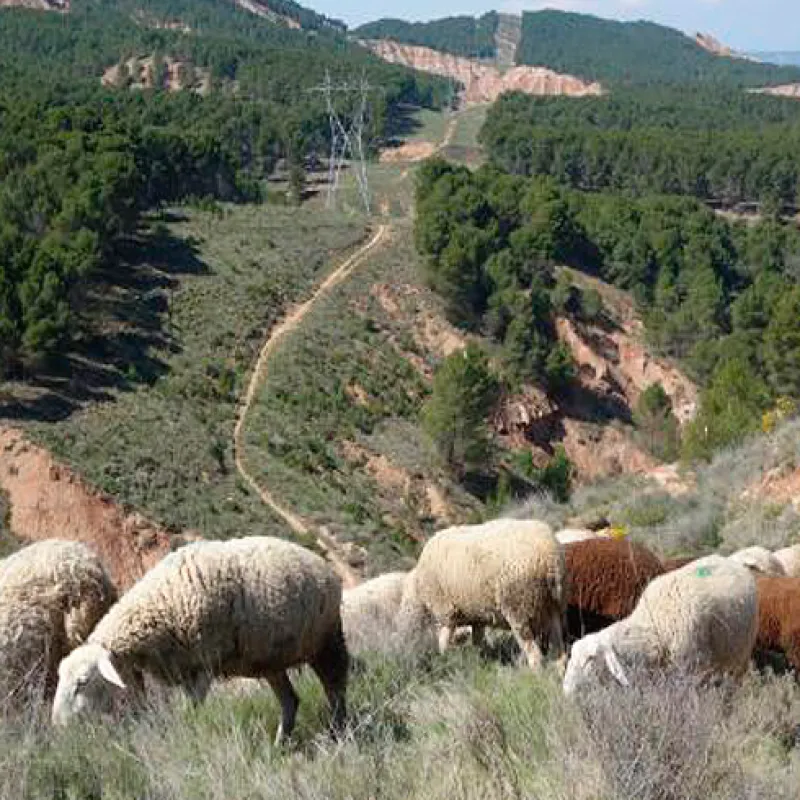
Pastoreo en Red
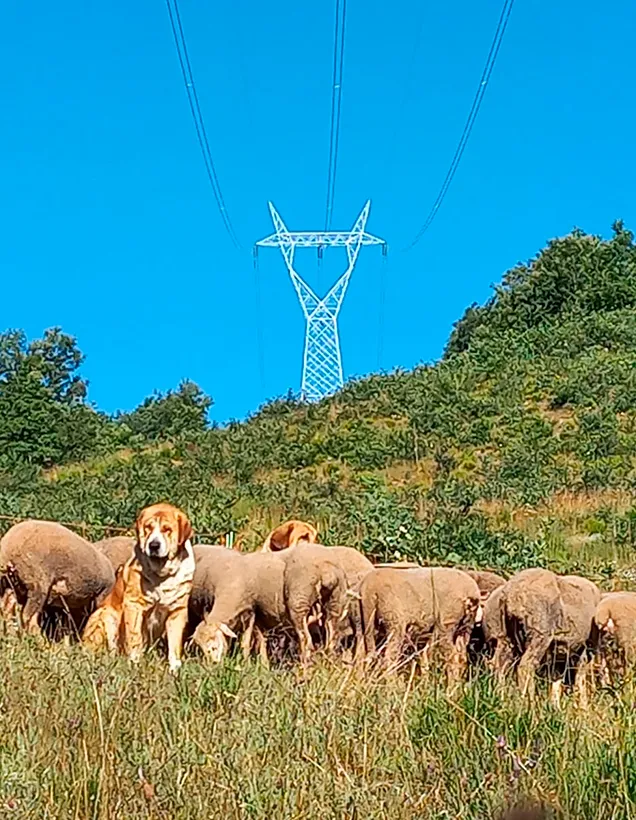
Through our subsidiary, Red Eléctrica, we have launched this project to control biomass in security corridors to promote extensive livestock farming, favour biodiversity, and encourage population settlement in rural areas.
3/13
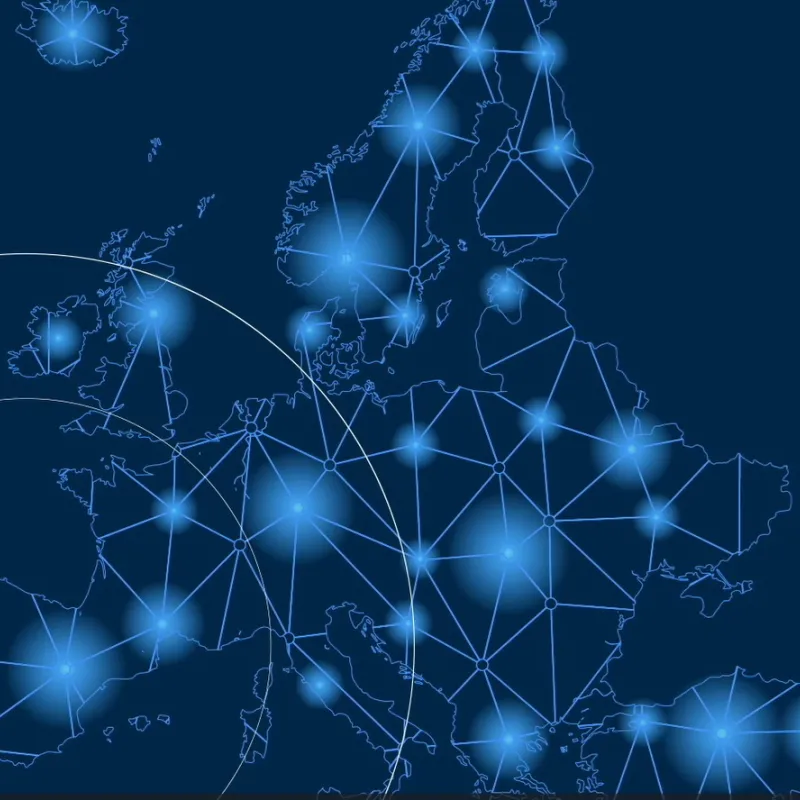
Heritage GIS
Through our subsidiary Red Eléctrica, we are driving the digitisation of all available information on heritage, cultural and archaeological sites in Castilla–La Mancha, so that it can be efficiently accessed by authorised personnel. This GIS system modernises administrative services and improves interaction with citizens. The project is currently being replicated in Andalusia.
4/13
Grupo motor para la transición energética
We are spearheading this initiative, which already brings together more than 45 Rural Development Groups (RDGs), representing over 1,270 municipalities (around 2.3 million inhabitants). Its aim is to lead the energy transition at a local level, uniting organisations and bodies to accelerate decarbonisation.
5/13
Energía Común
In collaboration with ECODES, we are promoting the First National Observatory of Energy Communities as a reference point for collective knowledge, analysis and the dissemination of these initiatives in Spain. Through dialogue and collaboration between public administrations, social organisations, businesses and the public, Energía Común promotes shared commitments and contributes to a fair, inclusive energy transition adapted to local realities.
6/13
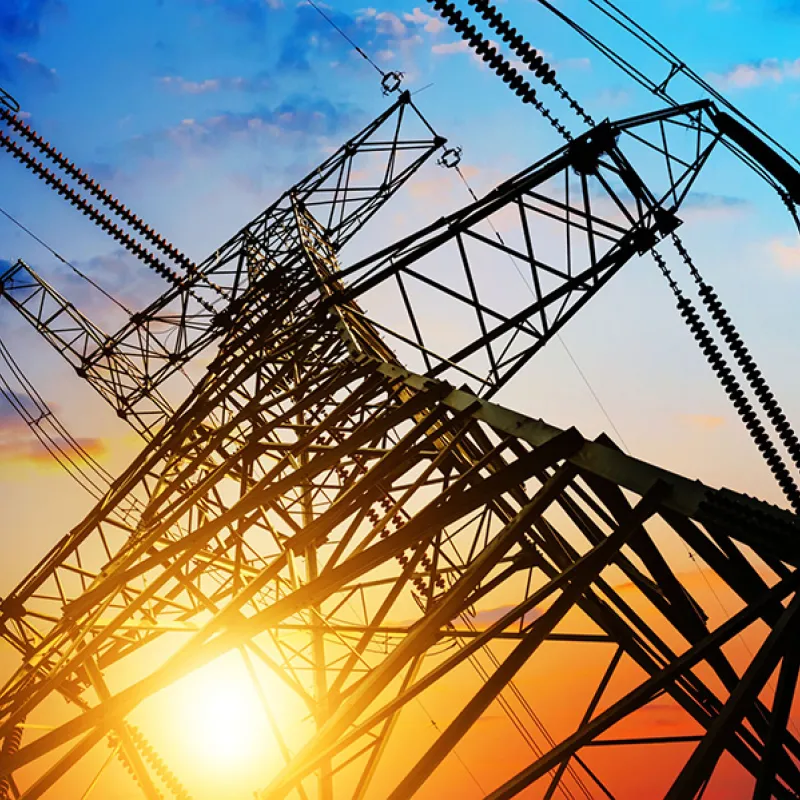
Energy that educates: an energy community with a social impact
We are launching this initiative in collaboration with the Balearic Energy Institute (IBE) to promote the energy transition in the education sector through educational and recreational activities aimed at pupils and teachers.
The project, linked to the installation of a collective self-consumption system at the CEIP Cervantes primary school in Sant Antoni de Portmany (Ibiza), combines environmental education with social impact. In this context, several vulnerable families in the school’s local area gain access to clean energy with significant savings on their electricity bills, contributing directly to the fight against energy poverty.
These activities foster a fair and inclusive energy transition and promote responsible consumption habits among the youngest children, who act as ambassadors for the energy transition in their homes and communities.
7/13
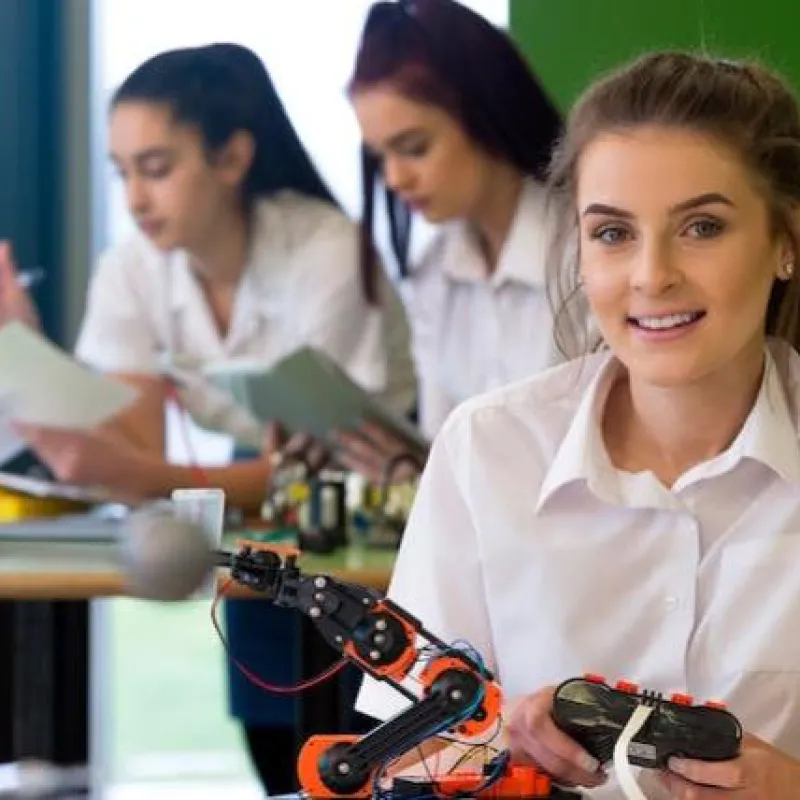
RedeSTEAM
We encourage girls to study science and technology through this competition for female students in the third and fourth years of Secondary School and vocational training.
8/13
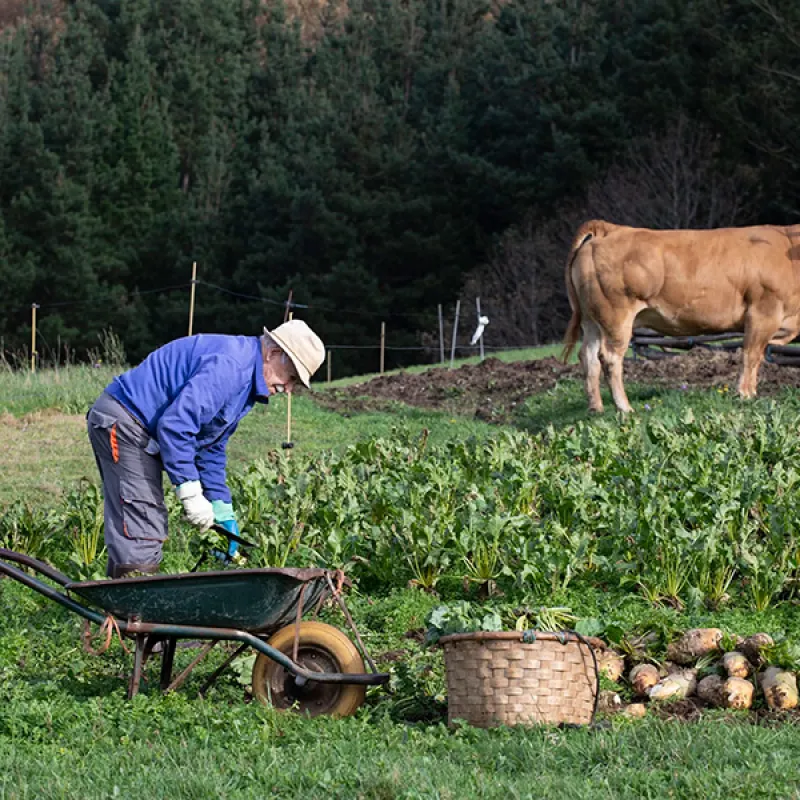
RED Relevo
Together with AlmaNatura, we are promoting the continuity of rural businesses, linking entrepreneurship with generational succession to keep economic activity alive in villages.
9/13
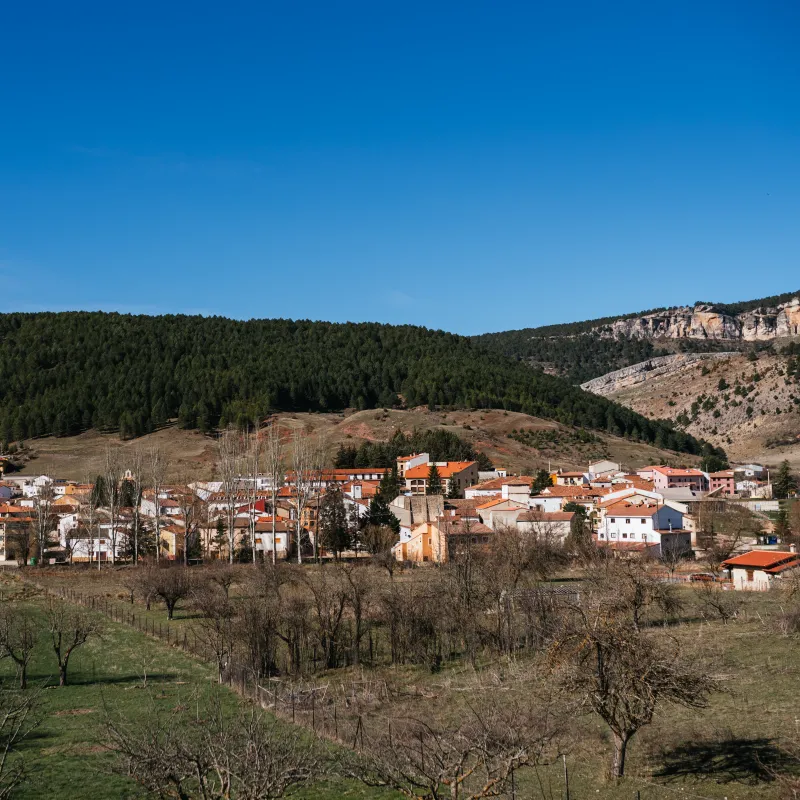
Holapueblo
We have partnered with AlmaNatura to revitalise the most depopulated areas through social entrepreneurship and innovation.
10/13
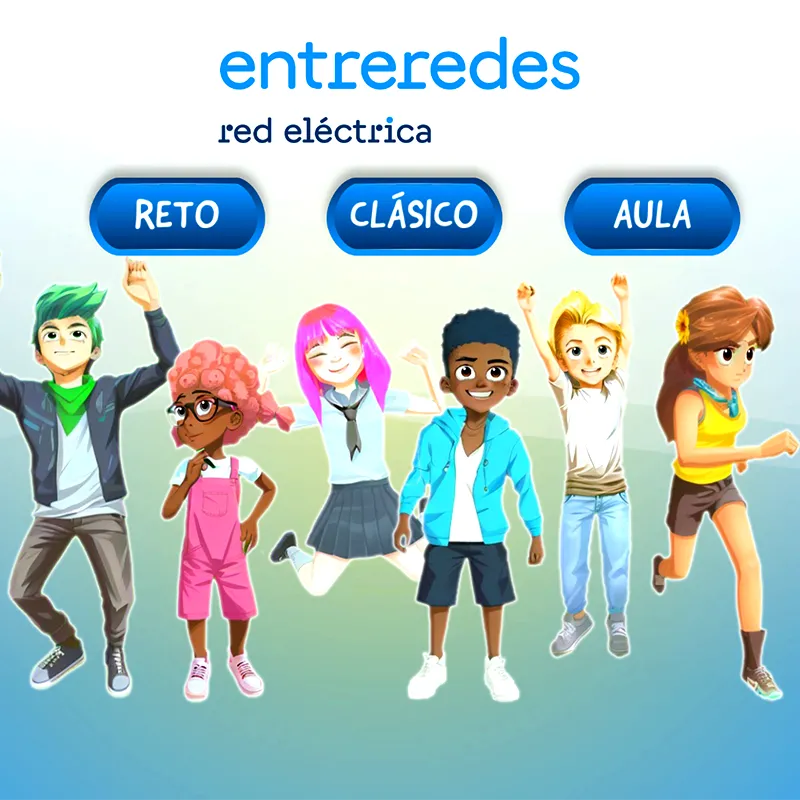
Entreredes
We have created a digital game as an educational tool for students from 1st, 2nd, 3rd, and 4th year of Secondary School to learn about how the electrical system works in a fun and engaging way.
11/13
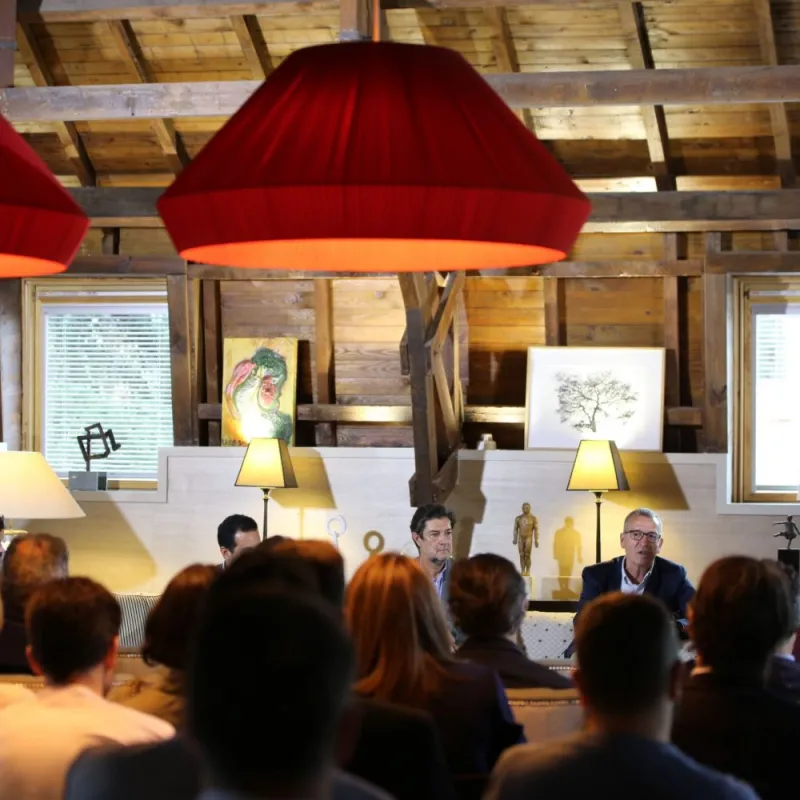
Ruralizable
We have joined this initiative to contribute to the reinvigoration of rural Spain and reverse its depopulation, an issue that affects three out of every four municipalities.
12/13
Hémera: Digital School for the Energy Transition
A training space to empower citizens as protagonists of the new energy model and provide them with the necessary knowledge and skills.
13/13
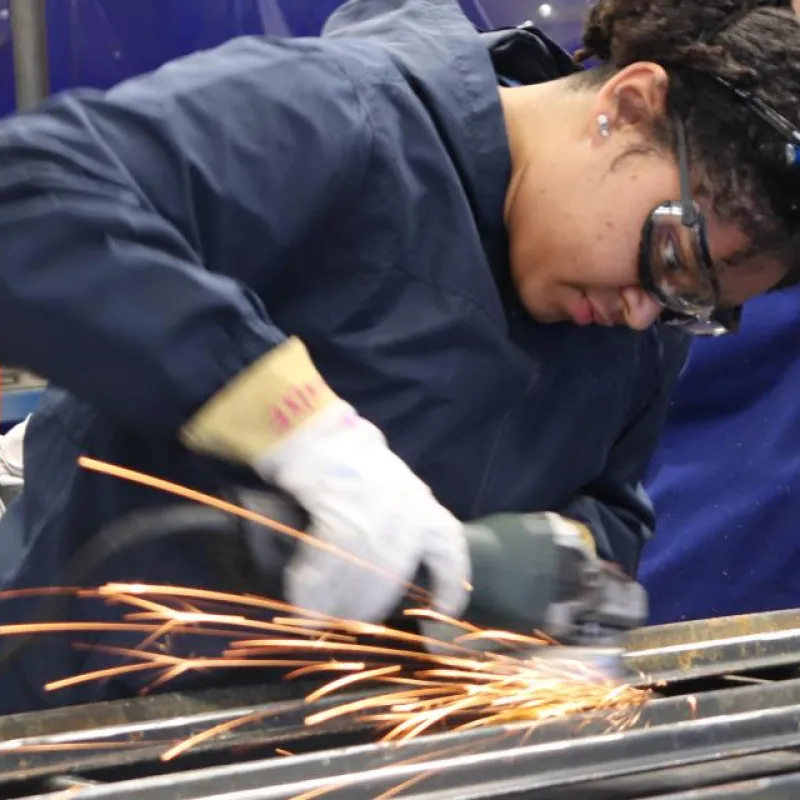
FP Energía Positiva
An initiative promoted as part of the ‘Alliance for Zero Child Poverty’ launched by the High Commissioner for Child Poverty. The project supports the training of teenagers in vulnerable situations or at risk in sectors with high demand for professionals.
Other projects of interest
- Guidelines for the development of energy transition plans in Spain
- Community energy
- Digital axis
- The Path of Crafts
- Hémera
- FP Energía positiva
Guidelines for the development of energy transition plans in Spain
Guidelines for the development of energy transition plans in Spain
Redeia, Emprendedorex, EnerAgen, and Next Educación, along with 30 local action groups, constitute the driving force working from the territory to fight against climate change and achieve the targets included in Spain’s National Energy and Climate Plan (NECP).

Their first task has been to develop the guidelines for the development of energy transition plans in Spain as part of their participatory local development strategies. A roadmap for territories to define and implement strategies to promote future projects in:
- Energy efficiency
- Fighting against energy poverty
- Building rehabilitation
- Collective self-consumption
- Local energy communities
Guidelines for the energy transition in local entities
Local Administrations are the cornerstone of the fight against climate change, considering their ability to channel citizens’ demands, promote public policies, and prepare budgets based on their commitment to sustainability, energy efficiency, and renewable energy.
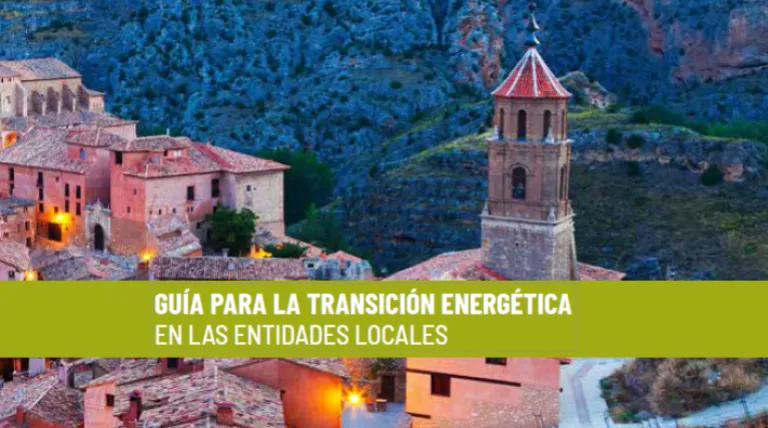

Therefore, Red Eléctrica, together with the Spanish Federation of Municipalities and Provinces (FEMP) has developed guidelines for the energy transition in local entities in line with its commitment to promote the culture of energy efficiency, raise awareness of the need for carbon reduction in the economy, and promote a sustainable energy model.
The guidelines are aimed at addressing the main uncertainties that public administrations may have about the energy transition process and guiding municipalities in adopting measures and initiatives that promote responsible and efficient energy consumption, as well as implementing sustainable mobility.
Community energy
Community energy
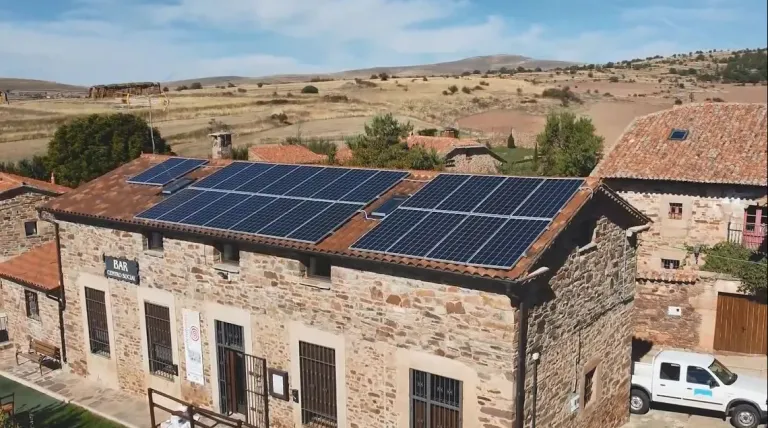
Red Eléctrica, in collaboration with the Megara Energía cooperative and the Town Hall of Castilfrío de la Sierra (Soria), has launched the first local energy community through the pilot ‘Hacendera Solar’ project, a prototype of a rural energy community based on collective self-consumption with grid support and a participatory model involving the municipality and the local population in its management.
Are you familiar with the manual for a rural energy community?
The Hacendera Solar project in Castilfrío de la Sierra has two photovoltaic solar plants of 7.36 and 5.5 kWp for self-consumption that have been installed on the roofs of two municipal buildings. These installations supply electricity for the town hall, the social centre, the doctor’s clinic, a refurbished building, and the laundry building, as well as for pumping water.

Outline the first model of community self-consumption in Castilfrío de la Sierra (Soria).

Promote photovoltaic installations in shared self-consumption mode with grid support.

Encourage investments in low-carbon economies that reduce both emissions and municipalities' current expenditures.

Define the complementarity of the energy demands of the different buildings and facilities owned and/or managed by a municipality.
Results 2020-2021
Establishment of the governance body of the energy community and approval of the Articles of Association.
100% self-consumption achieved in the water pumping system and 84% usage in the social centre.
A slow-charging point for electric vehicles has been installed in the social centre.
Covering 60% of the municipality’s demand for annual electricity.
Reducing its carbon footprint by 6.98 Tm of CO2 a year.
Creating a model that can be extrapolated to the rest of the region’s towns.
Digital axis
Digital axis
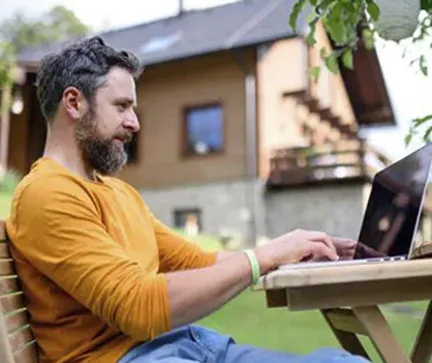
Digital Axis is a programme promoted by Fundación Cibervoluntarios and Red Eléctrica to support the digitalisation of Spanish society by promoting the growth of rural areas and reducing inequalities. This project offers tailored and free training in digital skills to boost local development in rural areas of Spain and provide digital skills training to citizens, educational centres, SMEs, local entrepreneurs, and municipal organisations.
- Facilitate the digital transition of rural populations where Red Eléctrica infrastructure development is taking place.
- Promote digitalisation as a core element of social and economic cohesion to enhance competitiveness and foster local development.
- Increase the digital skills of people living in these areas, ensuring equal opportunities.
Results 2022
Four participating municipalities: Fermoselle (Zamora), Villarino de los Aires (Salamanca), Villamayor de Gállego (Zaragoza), and Puebla de Guzmán (Huelva).
A total of 384 people, 61% of whom were women, attended 36 workshops.
Creation of a digital space and coworking space in each of the four municipalities.
The Path of Crafts
The Path of Crafts
At Redeia, we drive initiatives that promote, support and raise the profile of craftsmanship as a driving force for sustainable development, territorial cohesion and the preservation of cultural heritage. Building on the experience of “Oficios en Red”, this new line of work broadens its scope to highlight the expertise of local communities, encourage the next generation to take up the craft, and contribute to the revitalisation of rural areas. Craftsmanship is a living expression of identity and sustainability, and its promotion aligns with our commitment to social cohesion and the structuring of the region.
Alma Rural
We are promoting this initiative in collaboration with Arroyo de la Luz Town Council and the TAGUS Local Action Group to revitalise craftsmanship linked to traditional fashion in Extremadura. Through joint work with associations of women craftspeople, Alma Rural is reviving techniques such as embroidery and bobbin lace, and projecting them into the future by designing contemporary collections and promoting them in digital spaces. The involvement of the Local Action Group has been key to extending the project’s impact across the entire region, generating new opportunities for employment, entrepreneurship and rural development rooted in the region’s cultural identity.

Hémera
Hémera: escuela digital para la transición energética
Un espacio de capacitación para empoderar a la ciudadanía como protagonista del nuevo modelo energético y dotarle de los conocimientos y competencias necesarios.
FP Energía positiva
FP Energía Positiva
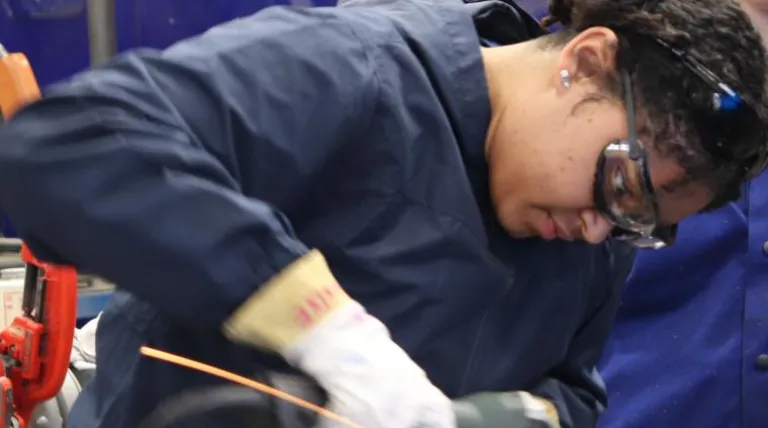
Iniciativa promovida en el marco de la “Alianza Pobreza Infantil Cero” impulsada por el Alto Comisionado contra la Pobreza Infantil. El proyecto apoya la formación de adolescentes en situación o riesgo de vulnerabilidad en sectores con alta demanda de profesionales.
Image
20/05/2025
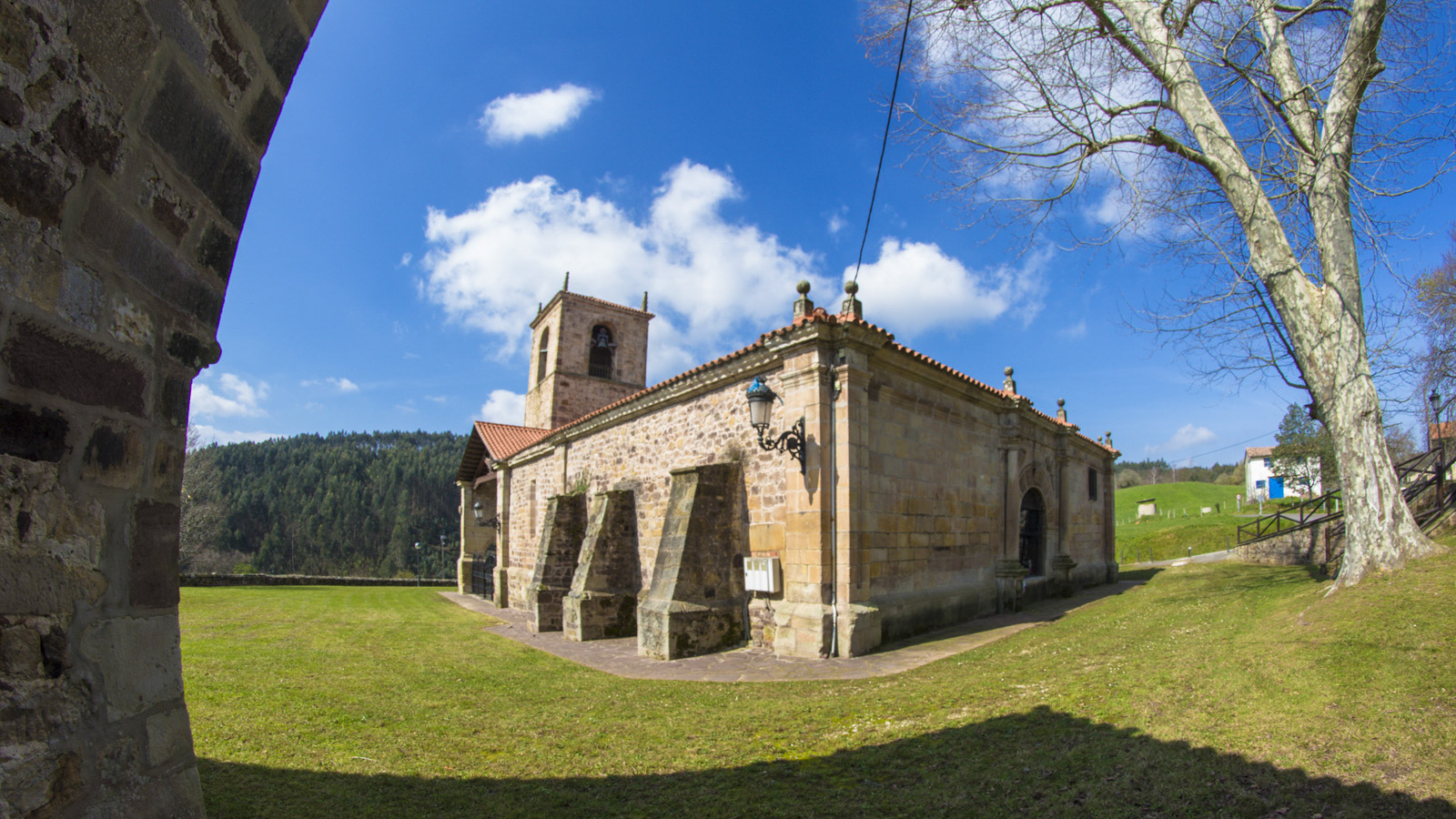
Piélagos, the next stop on the classical music tour of rural Spain offered by Redeia and the Reina Sofía School of Music
25/04/2025
Artisan skill and fashion come together to breathe new life into the economy in Arroyo de la Luz with ALMA Rural
08/04/2025
Redeia estimates the impact generated by its Comprehensive Impact Strategy in 2024 at €51 million