We are a global operator of essential infrastructure










Contributing to the recovery of avian wildlife
Redeia and GREFA promote awareness and environmental education on steppe birds
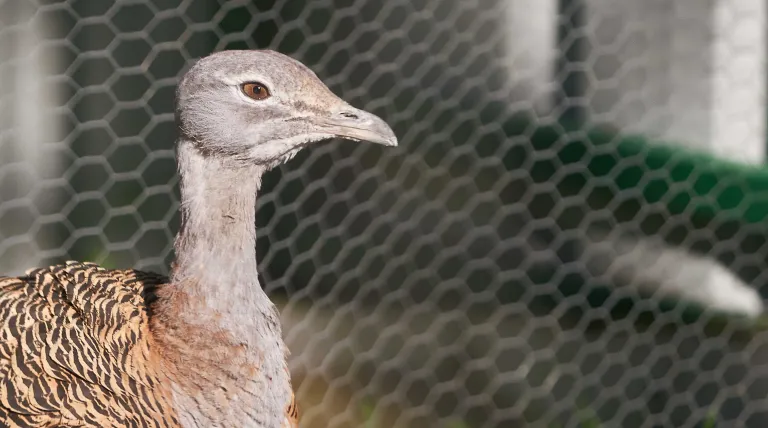
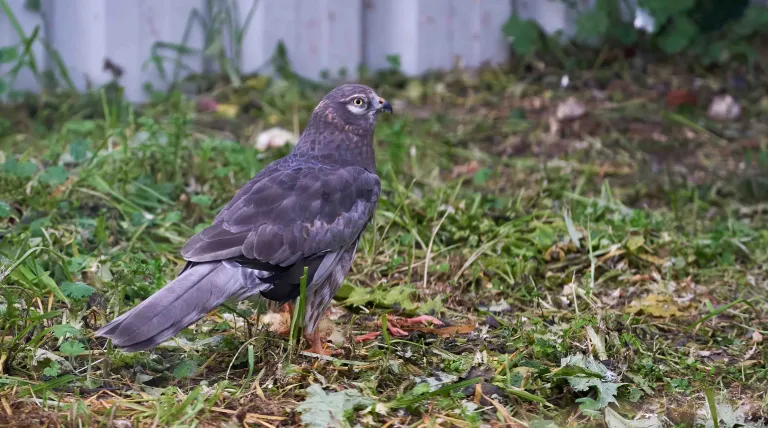
- The ‘Naturaleza Viva’ environmental education centre operated by GREFA now features a renovated area dedicated to endangered steppe birds: the great bustard, the Montagu’s harrier, the short-eared owl, and the common kestrel.
- Redeia’s support has made the opening of this new space a reality, which will help raise visitor awareness about the importance of steppe habitats.
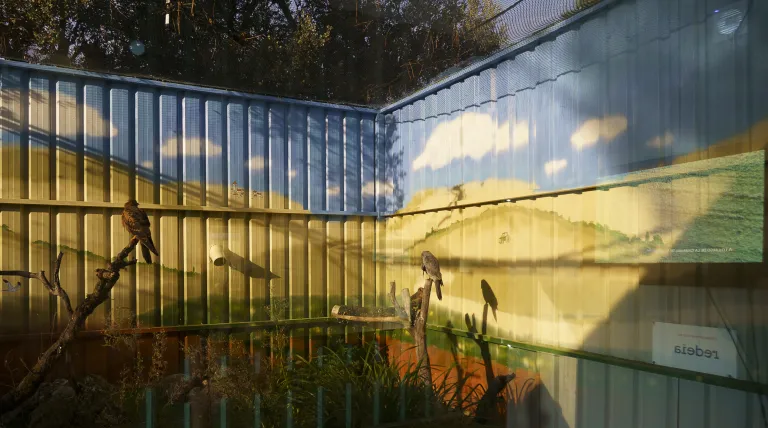
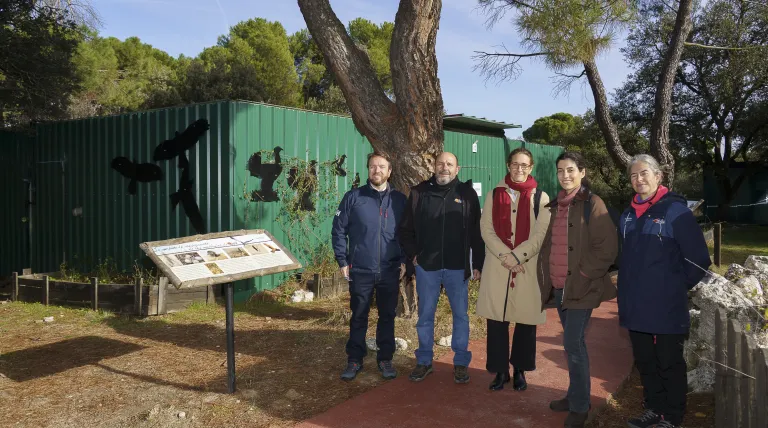
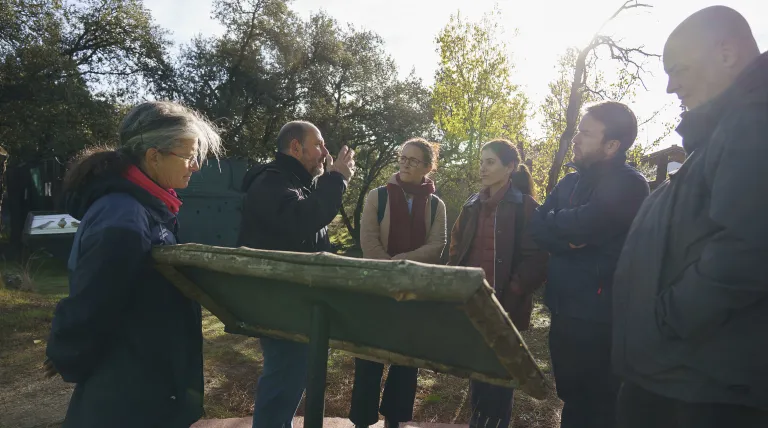
The steppe-bird exhibit at GREFA’s ‘Naturaleza Viva’ environmental education centre has officially reopened. This Wednesday, it was inaugurated following a comprehensive renovation that also included improvements to ensure full accessibility. The refurbishment, carried out under the collaboration agreement between Redeia and GREFA, is yet another example of a partnership that began more than 25 years ago.
The purpose of this overhaul is to increase public awareness of the current dangers facing many steppe bird species and those of similar habitats —such as dry farmland— as well as the need to take action to restore their populations.
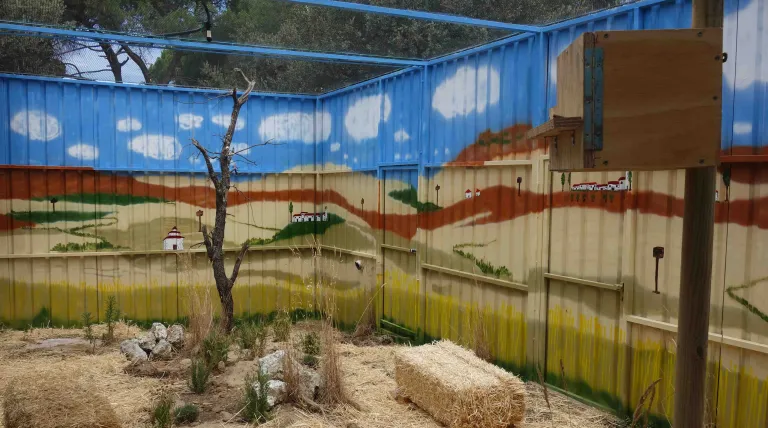
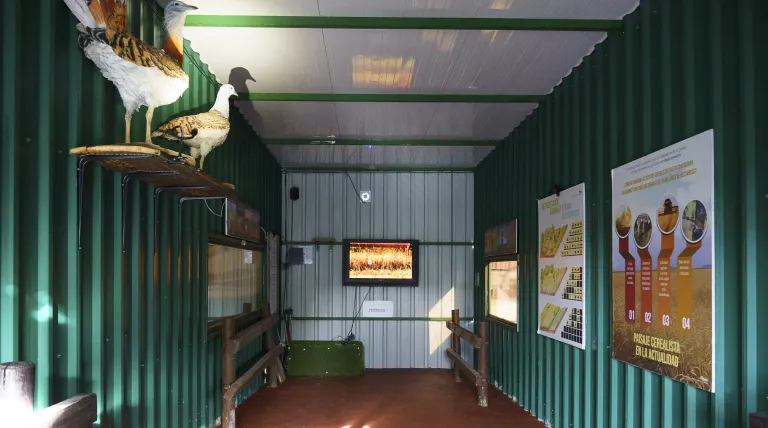
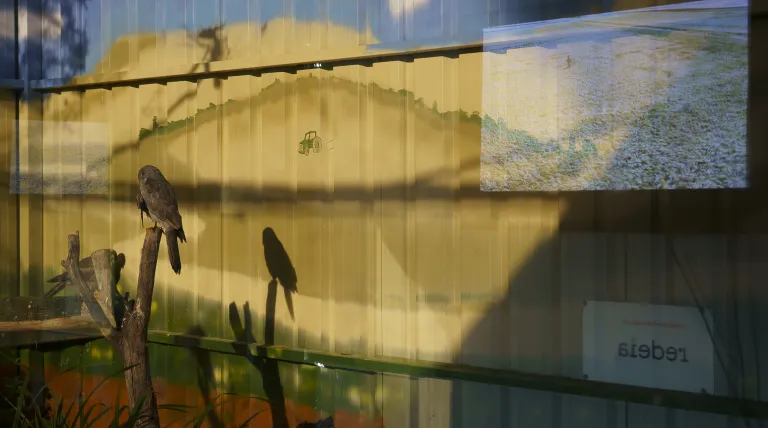
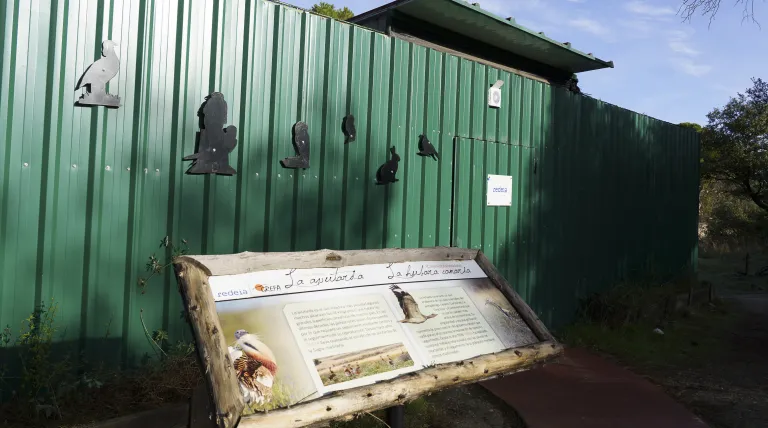
This joint effort has made it possible to rehabilitate an enclosure within GREFA’s wildlife centre that features four separate spaces. Visitors can observe these spaces from an interior corridor without being detected by the birds thanks to one-way viewing glass. This system ensures that visits are compatible with the peace and well-being of the species housed in the exhibit —great bustard, Montagu’s harrier, common kestrel, and short-eared owl— native to steppe or pseudo-steppe ecosystems.
‘The newly opened space is designed to recreate the landscapes of the Iberian steppes, offering an immersive experience that brings visitors closer to the natural environment of these birds,’ explained Fernando Garcés, GREFA’s secretary general.
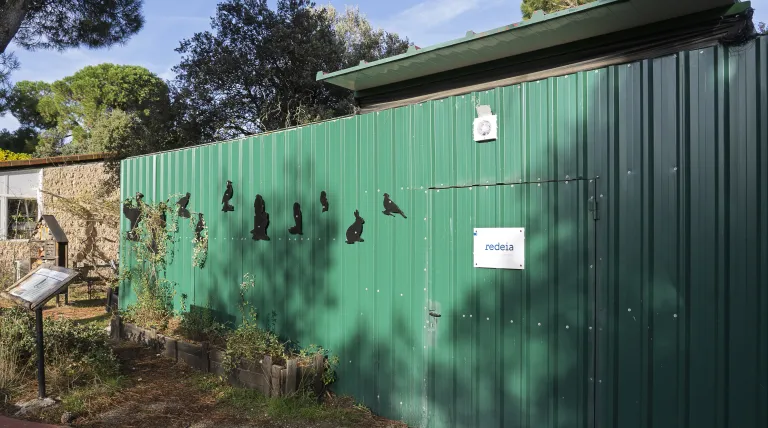
In addition, a range of educational tools has been incorporated, including life-size models of great bustards, characteristic bird calls, a screen for projecting educational videos, and informational panels about the species and their ecosystems. A key priority in the renovation was ensuring accessibility for visitors with reduced mobility.
For Laura Quintana, Redeia’s Sustainability Director, ‘the company’s sustainability vision is fundamentally aimed at generating shared value and positive impact for society. Within this framework, biodiversity protection —especially the protection of birdlife— is one of our main lines of action to promote environmental value. Redeia’s support for various GREFA initiatives, such as the installation we are inaugurating today in this environmental education centre, reflects our strong commitment to conserving ecosystems and raising public awareness about the importance of protecting birdlife and its habitats.’
The ‘Naturaleza Viva’ Environmental Education Centre is located in Monte de El Pilar, in Majadahonda (Madrid), together with GREFA’s Wildlife Hospital. ‘Naturaleza Viva’ is a large educational space managed by GREFA’s Environmental Education Department, featuring indoor and outdoor areas where visitors can observe certain non-releasable animals up close —specimens that were once admitted to the wildlife hospital but cannot return to the wild.
25 years of collaboration to protect birdlife
For many years, GREFA has made the recovery of steppe birds and their habitats a priority. This involves a wide range of projects and actions centred on emblematic and endangered species such as the great bustard, lesser kestrel, Montagu’s harrier, and the Canary Islands houbara bustard.
‘The partnership with Redeia in this area strengthens the educational and outreach value of our ‘Naturaleza Viva’ centre. Indeed, this collaboration will allow us to further enhance public awareness about the importance of protecting steppe birds and their ecosystems,’ said Fernando Garcés.
Redeia and GREFA have been working together for more than 25 years on numerous conservation and recovery projects involving endangered bird species. Among the most notable initiatives are participation in captive-breeding and reintroduction programmes for wildlife, such as the recovery of the black vulture in the Pyrenees (Boumort, Lleida) and in the Sierra de la Demanda (Burgos and La Rioja).
Regarding the Bonelli’s eagle (Aquila fasciata), both organisations have carried out reintroduction actions on the island of Mallorca, monitoring released individuals together with the Balearic Government and implementing measures to reduce mortality associated with power lines. Building on this experience, a new recovery project has been underway since 2025 to strengthen the species’ presence in the Community of Madrid and other central regions of the peninsula where it is endangered.